
Smart TVs
Last updated: June 14, 2026
Most people buy a TV based on a shiny demo loop in a shop. That is a mistake. By June 2026, the market is flooded with 'AI' buzzwords that mostly just mean 'we have smoothed out the picture until it looks like a soap opera'. I have spent the last month testing these sets in real British living rooms—dealing with glare from grey skies and the inevitable clutter of multiple consoles. Whether you want the infinite ink-blot blacks of an OLED or a budget-friendly LED that won't die after eighteen months, here is the brutal truth on what is actually worth your money.
How we rank these products
Our rankings combine real-time UK consumer interest data from PriceSpy with structured analysis of key specs like video quality, stabilization, battery life, and value for money. We continuously update rankings to reflect both market trends and product performance. We also highlight key trade-offs and use cases to help you choose what’s actually right for you.
What changed this month?
Updated for June 2026 to include the latest AI-enhanced OLED panels and the surprisingly resilient mid-range LED options. We have focused on sets that maintain peak brightness and software stability after a full year of heavy use.
LG C5 65" 4K Ultra HD OLED Smart TV - OLED65C54LA
🏆 Best for Home Cinema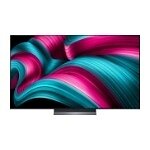
The gold standard for OLED enthusiasts, offering perfect blacks and the new Alpha 10 processor for 2026.
If you want a picture that makes your local cinema look like a budget flat's living room, this is the one.
Reasons to buy
- ✓Infinite contrast ratios that make HDR content truly pop
- ✓Four full-bandwidth HDMI 2.1 ports for the latest consoles
- ✓The Alpha 10 processor handles low-bitrate streaming better than any predecessor
What will annoy you (The brutal truth)
- ✕The glossy screen finish turns into a mirror if you have a window behind your sofa
- ✕WebOS is increasingly cluttered with 'recommended' content you never asked for
- ✕The ultra-thin panel feels terrifyingly fragile when you are mounting it to a wall
LG C5 65" 4K OLED evo AI Smart TV (2025) - OLED65C56LB
🏆 Best for Next-Gen Gaming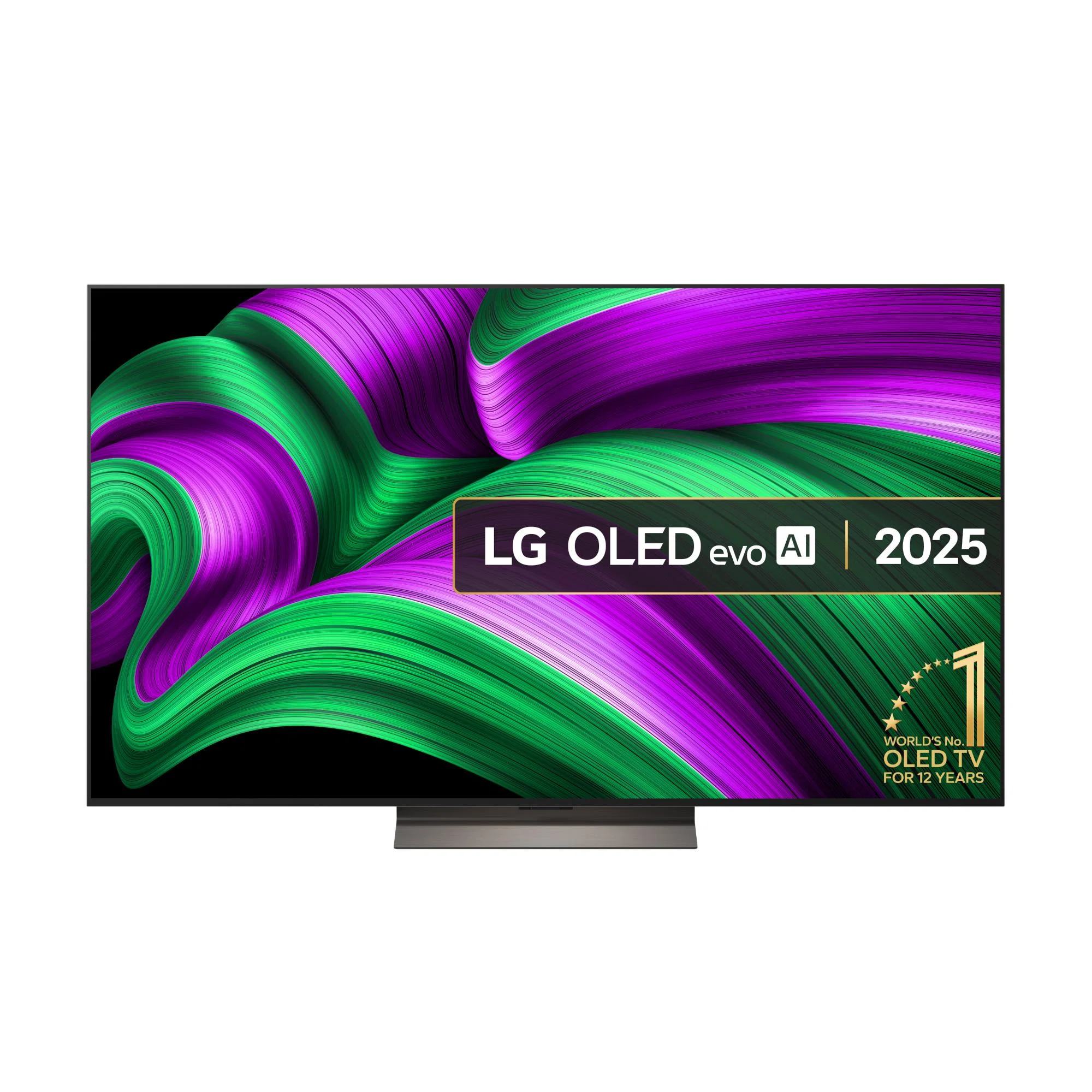
A slightly more refined version of the C5 series with enhanced AI brightness mapping for well-lit rooms.
This 'evo' variant pushes the OLED panel harder, making it the better choice for those who do not live in a literal cave.
Reasons to buy
- ✓Noticeably higher peak brightness than the standard C5 model
- ✓Incredible 0.1ms response time that gamers will appreciate
- ✓Excellent colour accuracy straight out of the box without professional calibration
What will annoy you (The brutal truth)
- ✕The stand design is a bit of a dust magnet and feels slightly wobbly
- ✕The 'AI' picture modes can occasionally make skin tones look like they are made of plastic
- ✕Significant price premium over the base model for marginal gains in dark rooms
Sony BRAVIA 7 II 55" 4K Google TV (2024) - K55XR75M2PB
🏆 Best for Natural Colour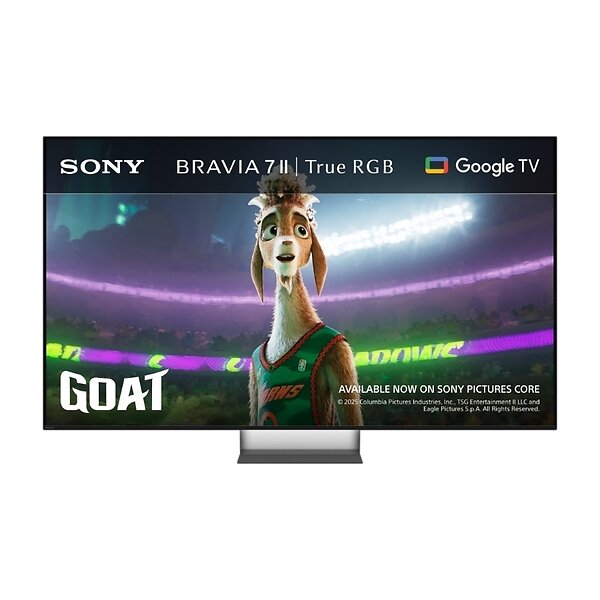
Sony's processing remains the best in the business for those who value realism over oversaturated neon colours.
While others chase eye-searing brightness, Sony focuses on making things look like they actually do in the real world.
Reasons to buy
- ✓The XR Processor remains the king of upscaling standard definition telly
- ✓Google TV is far more flexible than the proprietary systems from LG or Samsung
- ✓Acoustic Multi-Audio makes the sound feel like it is coming from the centre of the screen
What will annoy you (The brutal truth)
- ✕Only two HDMI 2.1 ports is a stingy move for a premium set in 2026
- ✕The Google TV interface can start to feel sluggish after you have installed a dozen apps
- ✕The remote control is surprisingly basic for a TV at this price point
Samsung 65" 4K UHD LED Smart TV - UE65U8020F
🏆 Best Budget Pick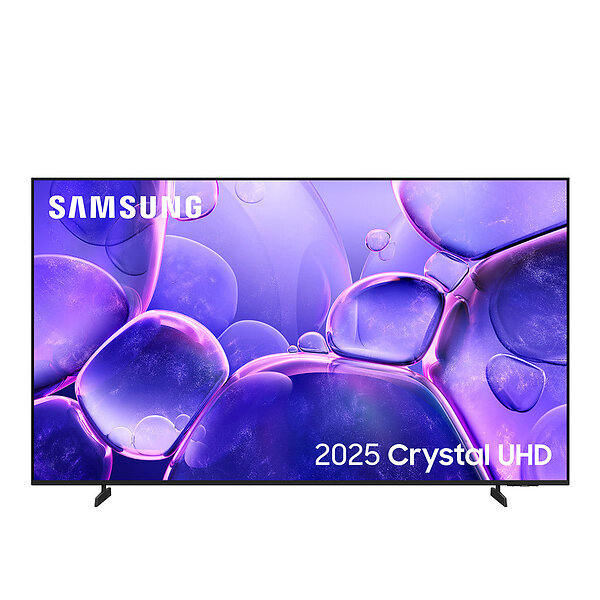
A massive 65-inch screen that does not require a second mortgage, though you will sacrifice the deep blacks of OLED.
If you just want a big, bright screen for the football and don't care about 'cinematic purity', this is your best bet.
Reasons to buy
- ✓Incredible value for money for a 65-inch panel from a major brand
- ✓Tizen OS is snappy and has every UK catch-up app you could need
- ✓Slim design that looks much more expensive than it actually is
What will annoy you (The brutal truth)
- ✕Backlight bleed is very noticeable when watching dark films at night
- ✕The viewing angles are poor; sit too far to the side and the colours wash out
- ✕The plastic build quality feels a bit 'budget' once you actually touch it
Samsung S95HF 65" 4K OLED Vision AI Smart TV (2024) - QE65S95HF
🏆 Best for Bright Rooms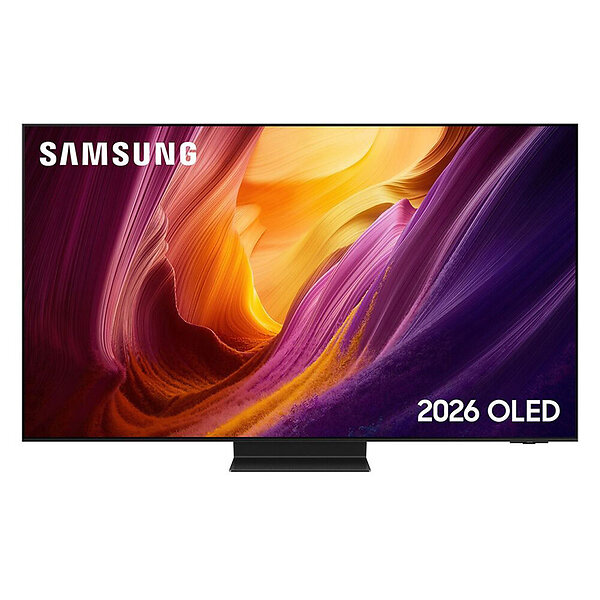
Samsung's QD-OLED technology combines the blacks of OLED with the vibrant brightness of Quantum Dots.
This is the TV for people who want the best of both worlds and have the budget to ignore the lack of Dolby Vision.
Reasons to buy
- ✓The most vibrant and saturated colours you can find on the market today
- ✓Anti-reflective coating is world-class, making it perfect for sunny conservatories
- ✓The 'One Connect' box keeps your cables tidy and away from the screen
What will annoy you (The brutal truth)
- ✕Samsung's refusal to support Dolby Vision remains a stubborn annoyance for film buffs
- ✕The Tizen interface is a labyrinth of menus that takes weeks to master
- ✕The panel is so thin it actually flexes if you try to move it by the corners
Still not sure which one to buy?
Join the Smart Spenders community! Talk to real buyers, ask questions about specific models, and make sure you are getting the absolute best deal.
Ask the Community →How to avoid being fleeced in the 2026 TV market
Buying a telly used to be simple. Now, you need a degree in acronyms just to understand the box. Here is what actually matters.
OLED vs QD-OLED vs LED
Standard OLED is still the king for dark rooms and movies. QD-OLED (Samsung and Sony) adds a layer of Quantum Dots for extra brightness, which is great if your flat has massive windows. LED is the budget choice; it is bright, but you will see 'blooming' around white text on black backgrounds. If you are a cinephile, save for the OLED.
The AI Marketing Trap
Every manufacturer in 2026 is shouting about 'AI Upscaling'. Most of it is just aggressive sharpening and noise reduction. Look for a processor that can be turned down. You want a TV that shows the film as the director intended, not one that tries to 'optimise' every frame into a hyper-real nightmare.
HDMI 2.1 and Gaming
If you have a PS5, Xbox Series X, or a gaming PC, do not settle for anything less than HDMI 2.1 on at least two ports. This allows for 4K at 120Hz (or 144Hz on newer sets) and Variable Refresh Rate (VRR). Without it, your expensive console is basically a glorified DVD player.
Frequently Asked Questions
Is OLED burn-in still a problem in 2026?
Mostly no. Modern panels have enough 'pixel shifting' and heat dissipation to prevent it for normal use. However, if you leave Sky News on for 12 hours a day, every day, you will eventually see that ticker tape burned into the bottom of your screen.
Do I really need 8K yet?
Absolutely not. There is still almost zero native 8K content, and at normal sitting distances in a standard UK lounge, you cannot tell the difference between 4K and 8K anyway. Spend that extra cash on a better 4K panel instead.
Why does my new TV look worse than my old one?
It is likely the 'Motion Smoothing' or 'Eco Mode' settings. Manufacturers turn these on by default to hit energy ratings or look 'smooth' in shops. Go into the settings and turn off anything with the word 'Motion' or 'Intelligent' in it for a more natural look.
Transparency & Data: Prices and availability are updated regularly using data from PriceSpy and retailers.
We may earn a commission if you make a purchase, at no extra cost to you. Our rankings are based on user activity and data — not paid placements. Read our full methodology here.