
Golf Balls
Last updated: June 13, 2026
Stop playing with scuffed 'lake balls' you found in the woods. If you want to actually improve your handicap in 2026, you need a ball that behaves predictably. Whether you're a scratch golfer looking for tour-level spin or a weekend warrior who just wants to stop slicing it into the car park, I've cut through the marketing fluff to find the only balls worth your money.
How we rank these products
Our rankings combine real-time UK consumer interest data from PriceSpy with structured analysis of key specs like video quality, stabilization, battery life, and value for money. We continuously update rankings to reflect both market trends and product performance. We also highlight key trade-offs and use cases to help you choose what’s actually right for you.
What changed this month?
Updated for June 2026 to reflect the latest urethane cover durability and aerodynamic optimisations for the current season. We have vetted these picks against the rising costs of premium gear to ensure you are getting actual performance, not just a fancy logo.
Titleist Pro V1 (12 balls)
🏆 Best for Low Handicappers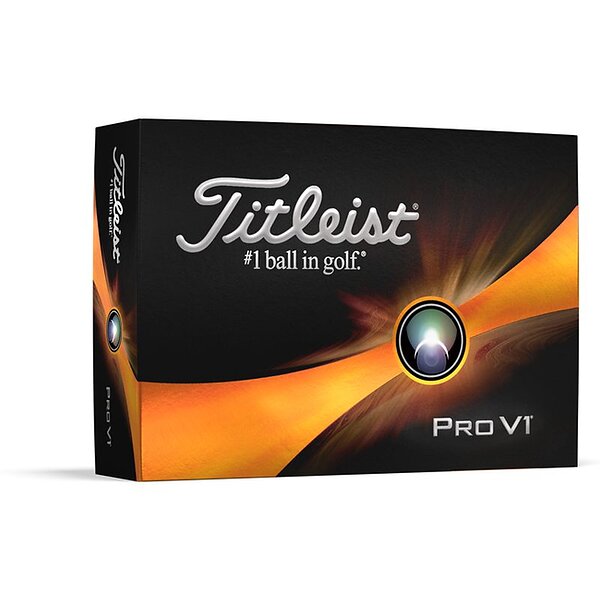
The undisputed king of the tee box, offering unmatched consistency and a penetrating flight.
If you have the swing speed and the bank balance, there is still no better ball on the market in 2026.
Reasons to buy
- ✓Exceptional flight consistency even in a stiff breeze
- ✓Drop-and-stop greenside control that feels like cheating
- ✓The most predictable spin rates in the industry
What will annoy you (The brutal truth)
- ✕At nearly five quid a ball, losing one in the drink is a genuine tragedy
- ✕The cover scuffs far too easily if you spend your afternoon in the bunkers
Titleist AVX (12 balls)
🏆 Best for Windy Conditions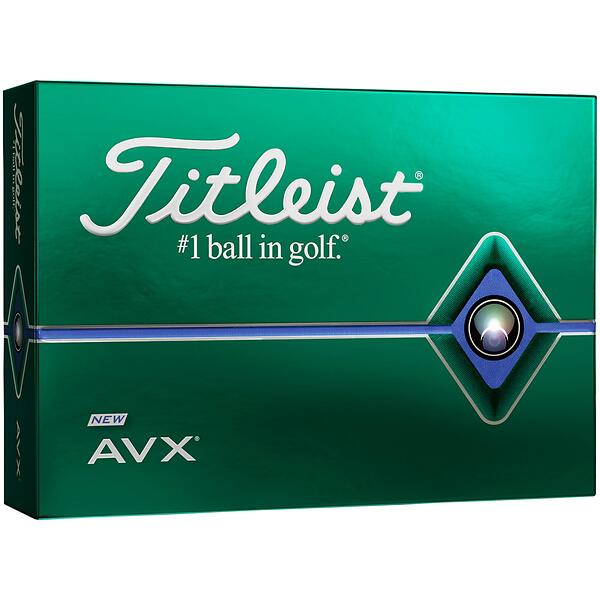
A lower-launching, lower-spinning alternative to the Pro V1 with a significantly softer feel.
Perfect for the links golfer who needs to keep the ball under the wind without sacrificing premium tech.
Reasons to buy
- ✓Piercing trajectory that ignores the British weather
- ✓Noticeably softer feel off the putter face
- ✓Excellent distance for players with moderate swing speeds
What will annoy you (The brutal truth)
- ✕The lower flight makes it harder to hold firm, elevated greens
- ✕Feels slightly 'mushy' to those used to a firmer tour ball
Titleist TruFeel (12 balls)
🏆 Best Value for Beginners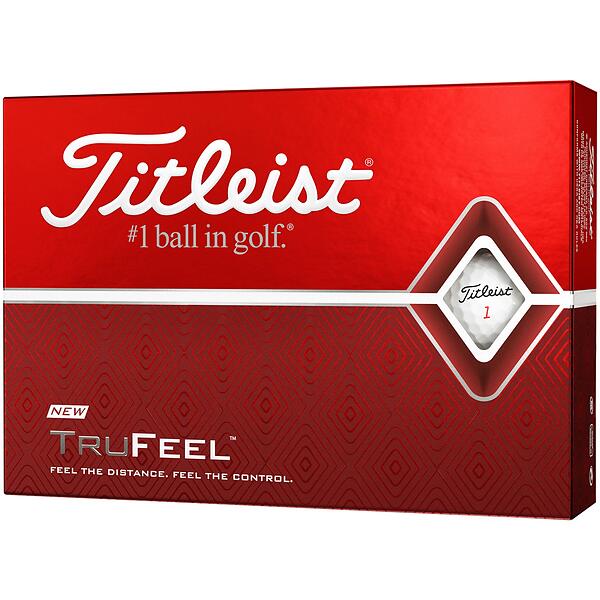
Titleist's softest ball designed for those who want brand prestige without the tour-level price tag.
A solid entry-level option that prioritises a soft feel over complex multi-layer performance.
Reasons to buy
- ✓Very affordable for a brand-name ball
- ✓Extremely soft feel that provides confidence on short putts
- ✓Large, easy-to-use alignment sidestamp
What will annoy you (The brutal truth)
- ✕The Surlyn cover lacks the 'bite' of urethane around the greens
- ✕Noticeable distance loss for high-speed swingers
Titleist TruFeel (24 balls)
🏆 Best Bulk Buy
The same soft-compression TruFeel technology, packaged in a double-dozen for better value.
If you are prone to visiting the gorse or the lake, buying these in bulk is the only sensible move.
Reasons to buy
- ✓Better price-per-ball than the standard 12-pack
- ✓Consistent quality control that cheaper brands can't match
- ✓Ideal for high-handicappers who lose multiple balls per round
What will annoy you (The brutal truth)
- ✕The box is a bit of a faff to fit into a smaller carry bag
- ✕Zero improvement in greenside spin compared to the 12-pack
TaylorMade TP5 (12 balls)
🏆 Best for Greenside Control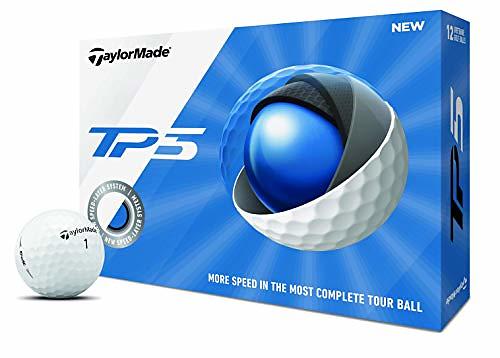
A 5-layer construction designed to optimise every club in the bag, from driver to wedge.
The only serious rival to the Pro V1, offering a slightly different spin profile that many pros prefer.
Reasons to buy
- ✓Incredible spin levels on half-wedge shots
- ✓Five layers of tech actually deliver on the 'no-compromise' promise
- ✓Very stable in crosswinds
What will annoy you (The brutal truth)
- ✕The cover is surprisingly fragile; one thin shot and it's ruined
- ✕The complex construction makes it one of the most expensive options
Still not sure which one to buy?
Join the Smart Spenders community! Talk to real buyers, ask questions about specific models, and make sure you are getting the absolute best deal.
Ask the Community →How to choose the right ball without wasting your brass
Most golfers buy balls based on what they see on the telly. That is a mistake. Unless you're swinging like a pro, a tour ball might actually be making your game worse.
Urethane vs Surlyn
This is the big one. Urethane covers (found on Pro V1 and TP5) are soft and 'grab' the clubface for spin. Surlyn (found on TruFeel) is harder and more durable but will slide off your wedge like it's covered in butter. If you want to stop the ball on the green, pay the premium for urethane.
Compression Matters
If you have a slow swing speed, a high-compression 'tour' ball will feel like hitting a rock and won't travel as far. Match the ball to your swing. Softer balls like the TruFeel are designed to compress easily, giving you back some of that lost distance.
The Cost of Losing
Be honest about your game. If you lose three balls a round, spending £50 on a dozen is just a very expensive way to litter the local pond. Start with a mid-range ball and only move to the premium stuff once you can keep the same ball in play for at least 18 holes.
Frequently Asked Questions
Do golf balls actually go off over time?
Modern solid-core balls are fairly hardy, but if they've been sitting in a cold garage or a damp shed for three years, the core can lose its 'pop'. Fresh is always better.
Is there a real difference between 'Distance' and 'Spin' balls?
Yes. Distance balls are usually two-piece constructions with hard covers to reduce side-spin (and slices). Spin balls have more layers and softer covers for control. You can't have maximum both, despite what the marketing says.
Transparency & Data: Prices and availability are updated regularly using data from PriceSpy and retailers.
We may earn a commission if you make a purchase, at no extra cost to you. Our rankings are based on user activity and data — not paid placements. Read our full methodology here.