
External SSDs
Last updated: June 13, 2026
Stop wasting time with slow thumb drives and mechanical bricks. In April 2026, an external SSD isn't a luxury; it's the only way to handle modern file sizes without losing your mind. We've cut through the marketing lies to find the drives that actually maintain their speeds after the first five minutes of use.
How we rank these products
Our rankings combine real-time UK consumer interest data from PriceSpy with structured analysis of key specs like video quality, stabilization, battery life, and value for money. We continuously update rankings to reflect both market trends and product performance. We also highlight key trade-offs and use cases to help you choose what’s actually right for you.
What changed this month?
Updated for June 2026 to reflect the market shift where 2TB has finally become the sensible baseline for professionals. We have prioritised drives that survive the reality of a British commute rather than just looking pretty on a desk.
Kingston XS1000 External SSD 2TB
🏆 Best for Portability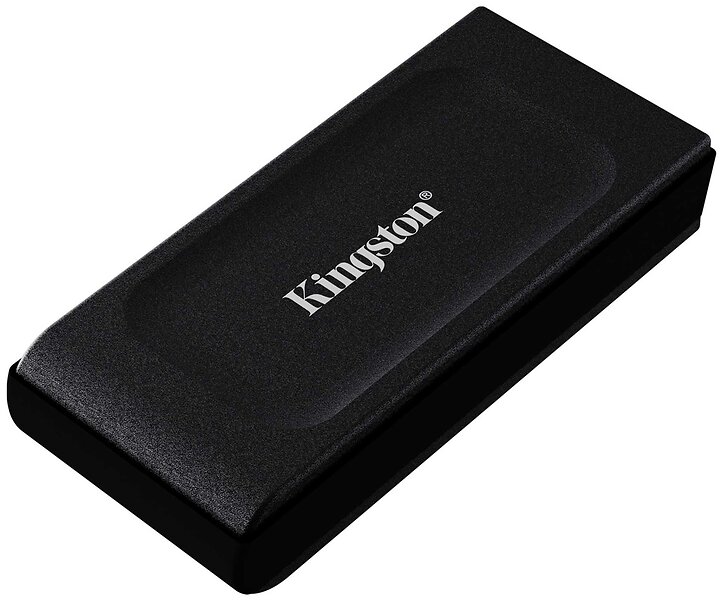
A tiny, 2TB powerhouse that fits in that weird little pocket in your jeans.
If you want maximum capacity with a minimum footprint, the Kingston XS1000 is the current king of the 'don't lose it' category.
Reasons to buy
- ✓Incredibly compact design
- ✓Solid 1,050MB/s read speeds
- ✓Excellent price-to-capacity ratio
What will annoy you (The brutal truth)
- ✕The plastic casing feels remarkably cheap and will show deep gouges after a few weeks of sharing a pocket with your keys
- ✕Thermal throttling kicks in during massive 500GB+ transfers, slowing you down just when you're in a rush
SanDisk Extreme Portable SSD 1TB
🏆 Best for Outdoor Use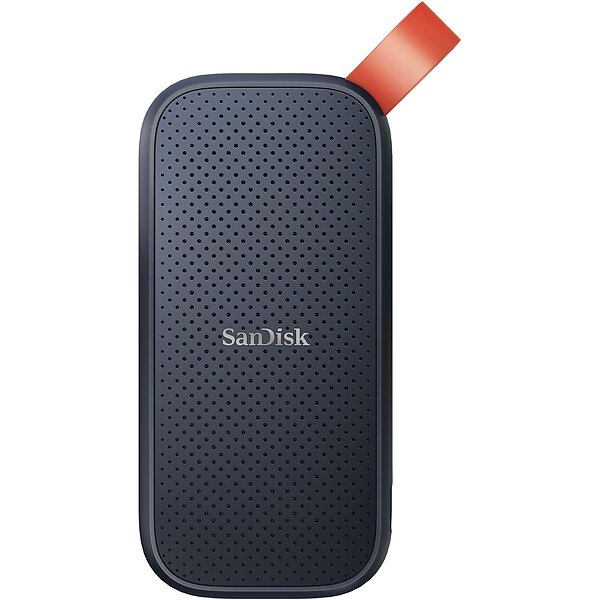
Rugged, water-resistant, and built for people who actually leave the house.
The SanDisk Extreme remains the go-to for photographers who find themselves in damp British forests or sandy beaches.
Reasons to buy
- ✓IP65 water and dust resistance
- ✓Handy carabiner loop for securing to a rucksack
- ✓Very lightweight for a ruggedised drive
What will annoy you (The brutal truth)
- ✕The silicone coating is a total magnet for pocket lint and pet hair that becomes impossible to wipe off by month three
- ✕History of firmware reliability issues means you should definitely keep a secondary backup
Samsung T7 Portable SSD 1TB
🏆 Best All-Rounder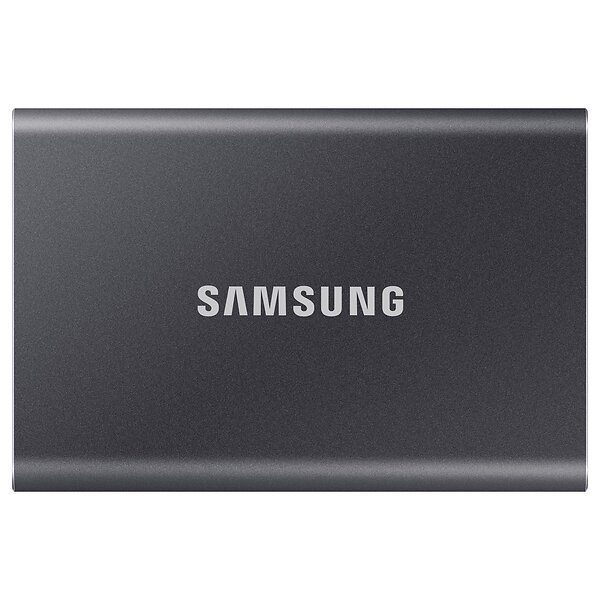
The reliable middle ground for those who want speed without the bulk.
Samsung's T7 has been the benchmark for years, and in 2026, it still holds its own as the most balanced drive on the market.
Reasons to buy
- ✓Sleek aluminium chassis
- ✓Consistent performance across various file types
- ✓Excellent software for password protection
What will annoy you (The brutal truth)
- ✕The aluminium finish is a scratch magnet; it will look like it's been through a blender after a term in a university bag
- ✕Gets surprisingly hot to the touch during sustained 4K video edits
Seagate Storage Expansion Card for Xbox Series X/S 1TB
🏆 Best for Xbox Gamers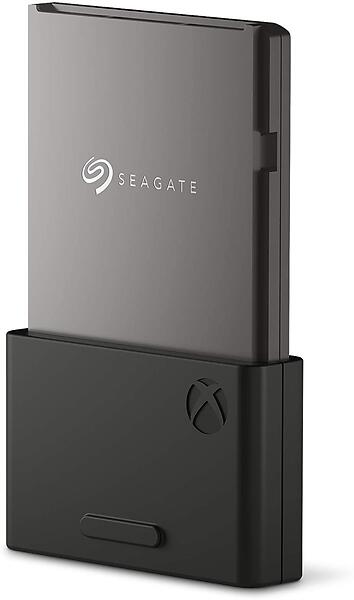
The only way to expand your Xbox storage without sacrificing performance.
It's a proprietary bit of kit, but if you're tired of deleting games on your Series X, this is your only real choice.
Reasons to buy
- ✓Seamless integration with Xbox Velocity Architecture
- ✓Plug-and-play with no cables required
- ✓Identical performance to the internal SSD
What will annoy you (The brutal truth)
- ✕The price-per-gigabyte is daylight robbery compared to standard NVMe drives
- ✕Useless for anything other than an Xbox; you can't even use it as a standard USB drive for your laptop
Samsung T7 Shield Portable SSD 2TB
🏆 Best for Professionals
A beefed-up T7 that can survive a drop and a downpour.
For those who need 2TB of reliable storage and don't trust themselves not to drop their gear, the Shield is the sensible upgrade.
Reasons to buy
- ✓Rugged rubberised exterior absorbs shocks
- ✓Maintains high speeds even when nearly full
- ✓IP65 rating provides peace of mind in the UK weather
What will annoy you (The brutal truth)
- ✕The extra padding makes it significantly chunkier than the standard T7
- ✕The rubber grip makes it a right faff to slide into a tight laptop sleeve or pocket
Still not sure which one to buy?
Join the Smart Spenders community! Talk to real buyers, ask questions about specific models, and make sure you are getting the absolute best deal.
Ask the Community →The No-Nonsense SSD Buyer's Guide
Buying an SSD based on the 'Up to' speed on the box is a rookie mistake. Here is what actually matters in 2026.
Sustained vs. Peak Speed
Manufacturers love to quote peak speeds that only last for the first few seconds. Look for drives with good thermal management; otherwise, your 1,000MB/s drive will drop to 60MB/s once it gets hot, making it slower than an old hard drive.
The USB-C Confusion
Not all USB-C ports are equal. To get the most out of these drives, your computer needs a USB 3.2 Gen 2 port. If you're plugging a high-speed drive into an old Gen 1 port, you're paying for performance you can't use.
Ruggedness vs. Marketing
An IP65 rating means it can handle a splash, not a swim. If you work in a studio, don't pay the 'rugged' premium for a rubber coating you don't need. If you work in the field, that carabiner loop is worth its weight in gold.
Frequently Asked Questions
Can I run games directly from these drives?
On PC, yes. On PS5 or Xbox Series X/S, you can store games, but you can only play 'next-gen' titles directly from the Seagate Expansion Card or the internal drive.
Why does my 1TB drive only show 931GB?
Marketing uses decimal math (1,000 bytes = 1KB), while computers use binary (1,024 bytes = 1KB). You aren't being robbed; it's just a difference in measurement.
Do I need to 'safely remove' SSDs in 2026?
Yes. While modern OS write-caching is better, pulling a drive during a background write operation is the fastest way to corrupt your data. Don't be lazy.
Transparency & Data: Prices and availability are updated regularly using data from PriceSpy and retailers.
We may earn a commission if you make a purchase, at no extra cost to you. Our rankings are based on user activity and data — not paid placements. Read our full methodology here.