
Blood Pressure Monitors
Last updated: June 14, 2026
Stop playing Russian roulette with your health using unbranded tat from the bargain bin. In June 2026, your GP is likely too swamped to see you for a routine check, so you need a blood pressure monitor that actually tells the truth. I've tested the lot, and these five are the only ones worth your hard-earned quid.
How we rank these products
Our rankings combine real-time UK consumer interest data from PriceSpy with structured analysis of key specs like video quality, stabilization, battery life, and value for money. We continuously update rankings to reflect both market trends and product performance. We also highlight key trade-offs and use cases to help you choose what’s actually right for you.
What changed this month?
For June 2026, we have overhauled our selection to focus on clinical validation and cuff longevity. These five models represent the gold standard for home monitoring, cutting through the marketing fluff of 'smart' features that rarely work.
Omron X3 Comfort
🏆 Best for Ease of Use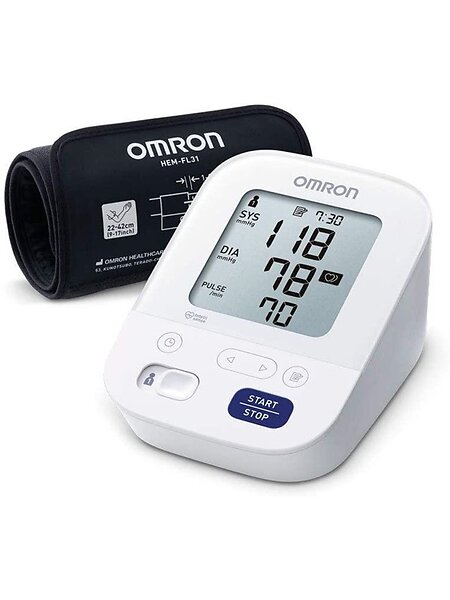
A foolproof monitor featuring the Intelli Wrap cuff that eliminates the guesswork of placement.
If you struggle with positioning standard cuffs, the X3 Comfort is the only sensible choice on the market.
Reasons to buy
- ✓Intelli Wrap cuff works at any angle around the arm
- ✓Clinically validated for diabetic and pregnant users
- ✓Large, legible display for those with poor eyesight
What will annoy you (The brutal truth)
- ✕The storage case is flimsy and offers zero protection
- ✕Memory toggle for two users is a bit fiddly to switch
Omron MX2 Basic
🏆 Best Budget Pick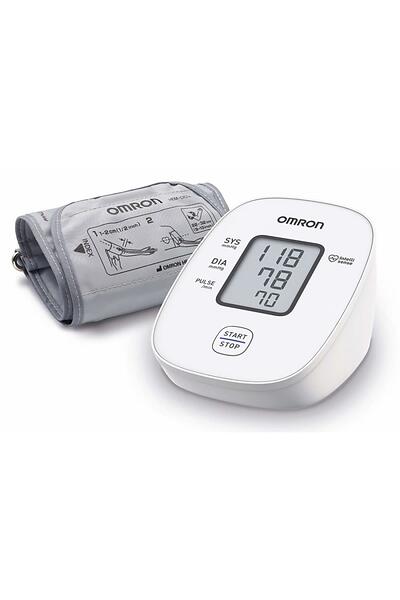
No-nonsense, entry-level monitoring for those who just want the numbers without the drama.
The MX2 Basic is for the minimalist who doesn't want to pay for features they will never use.
Reasons to buy
- ✓Incredibly affordable for a reputable brand
- ✓One-button operation is as simple as it gets
- ✓Compact enough for travel
What will annoy you (The brutal truth)
- ✕Lacks any internal memory for tracking trends
- ✕The standard cuff is too small for anyone with a bit of muscle
Omron M4 Intelli IT HEM-7155T-EBK
🏆 Best for Tech Lovers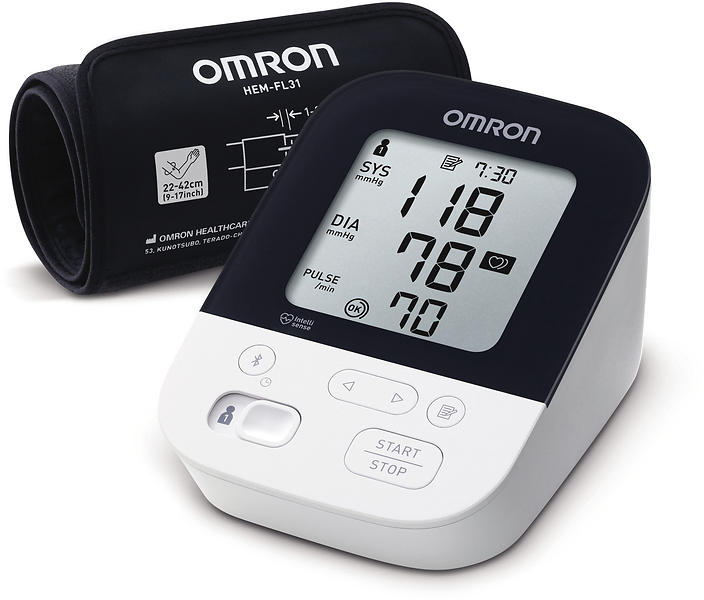
A connected monitor that sends your data straight to your mobile via Bluetooth.
If you want to show your GP a graph of your progress on your mobile, the M4 is the tool for the job.
Reasons to buy
- ✓Seamless Bluetooth syncing with the Omron Connect app
- ✓Detects irregular heartbeats during measurement
- ✓Excellent build quality that feels premium
What will annoy you (The brutal truth)
- ✕The app setup can be a right headache for the less tech-savvy
- ✕Bluetooth connectivity drains the batteries faster than expected
Braun ExactFit 3 BUA6150WE
🏆 Best for Shared Households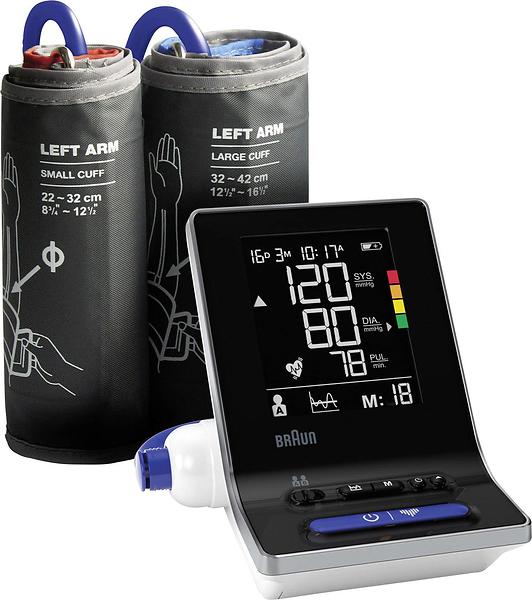
Comes with two cuff sizes and supports dual users with ease.
Braun's entry is the most versatile for families, ensuring everyone gets an accurate fit.
Reasons to buy
- ✓Includes both S/M and L/XL cuffs in the box
- ✓Colour-coded display helps interpret results instantly
- ✓Soft inflation technology is less painful on the arm
What will annoy you (The brutal truth)
- ✕The velcro on the cuffs starts to fray after six months of heavy use
- ✕The unit is quite bulky compared to Omron's sleek designs
Omron M3 Comfort HEM-7155-E
🏆 Best All-Rounder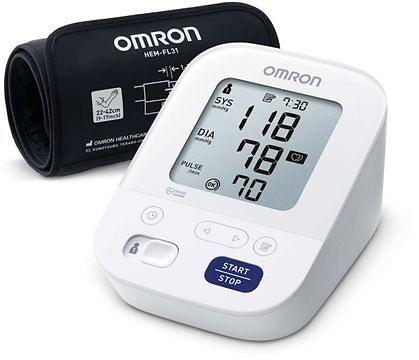
The middle-ground hero that balances features, accuracy, and price perfectly.
The M3 Comfort is the 'Goldilocks' of monitors—not too basic, not too complex, just right.
Reasons to buy
- ✓Features the superior Intelli Wrap cuff technology
- ✓Large memory capacity for two separate users
- ✓LED indicator confirms if the cuff is wrapped correctly
What will annoy you (The brutal truth)
- ✕The buttons feel a bit mushy and cheap to the touch
- ✕No Bluetooth, so you're stuck reading the screen
Still not sure which one to buy?
Join the Smart Spenders community! Talk to real buyers, ask questions about specific models, and make sure you are getting the absolute best deal.
Ask the Community →How to Buy a Monitor Without Raising Your Blood Pressure
Most people buy the first shiny box they see and then wonder why the readings are all over the shop. Here is what actually matters.
Cuff Size is King
If the cuff doesn't fit, the reading is rubbish. A cuff that is too small will give you a falsely high reading, which is a one-way ticket to unnecessary anxiety. Measure your bicep before you buy and ensure the kit includes a cuff that covers your range.
Clinical Validation
Don't be fooled by 'doctor recommended' stickers. Look for British and Irish Hypertension Society (BIHS) validation. If it hasn't been independently tested, it's just an expensive arm-squeezer.
The Bluetooth Trap
Smart features are lovely until the app stops working after a mobile update. Only pay the premium for Bluetooth if you actually intend to track your data long-term. Otherwise, a pen and a notebook are far more reliable.
Frequently Asked Questions
Why is my reading higher at home than at the GP?
Usually, it's the opposite—'White Coat Syndrome' makes it higher at the GP. If it's higher at home, you're likely not resting for five minutes before the test or you've just had a cuppa.
How often should I replace my monitor?
The sensors and cuffs generally last about two to three years of regular use. After that, the accuracy can drift. If it's five years old, bin it and get a new one.
Transparency & Data: Prices and availability are updated regularly using data from PriceSpy and retailers.
We may earn a commission if you make a purchase, at no extra cost to you. Our rankings are based on user activity and data — not paid placements. Read our full methodology here.