
Acoustic Guitars
Last updated: June 13, 2026
Most acoustic guitar reviews are fluff written by people who think 'action' is something in a Bond film. I've spent twenty years in the industry, and I'm tired of seeing beginners sold unplayable pieces of plywood. For June 2026, I've stripped back the marketing nonsense to find the only five acoustics worth your hard-earned Sterling. Whether you're playing a pub in Camden or practicing in a cupboard in Croydon, these are the tools that actually do the job.
How we rank these products
Our rankings combine real-time UK consumer interest data from PriceSpy with structured analysis of key specs like video quality, stabilization, battery life, and value for money. We continuously update rankings to reflect both market trends and product performance. We also highlight key trade-offs and use cases to help you choose what’s actually right for you.
What changed this month?
For June 2026, we have overhauled our selection to focus on instruments that survive the British climate without warping. These five models represent the pinnacle of value for money in a market currently flooded with overpriced laminate junk.
Fender Redondo Player (CE)
🏆 Best for Gigging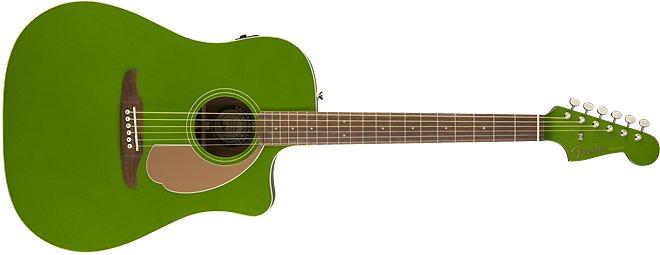
A modern acoustic with an electric soul, featuring a slim-taper 'C' neck and a cutaway for those who actually use the dusty end of the fretboard.
If you are transitioning from an electric guitar, this is the only acoustic that won't feel like you are wrestling a wardrobe.
Reasons to buy
- ✓Electric-style neck is incredibly easy on the hands
- ✓Built-in Fishman preamp is reliable for pub gigs
- ✓Striking aesthetics that stand out on stage
What will annoy you (The brutal truth)
- ✕The high-gloss finish becomes a greasy fingerprint magnet within minutes
- ✕Unplugged tone lacks the depth of a traditional dreadnought
- ✕The inline 6-headstock makes it feel a bit top-heavy
Gretsch Jim Dandy G9500
🏆 Best for Small Flats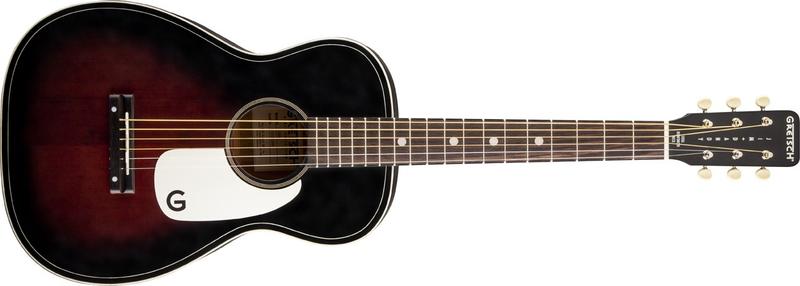
A pint-sized parlour guitar that punches well above its weight with a vintage, boxy charm perfect for blues and folk.
Don't let the size fool you; this is a serious tool for those living in cramped London studios who still want a real wood sound.
Reasons to buy
- ✓Short scale length makes complex chords much easier
- ✓Fits into the smallest corners of a flat
- ✓Incredibly durable build that handles travel well
What will annoy you (The brutal truth)
- ✕The 'boxy' tone isn't for everyone—don't expect massive bass
- ✕The frets are quite narrow, which might frustrate those with larger fingers
- ✕The vintage-style tuners can feel a bit stiff after a few months
Yamaha F310
🏆 Best Budget Pick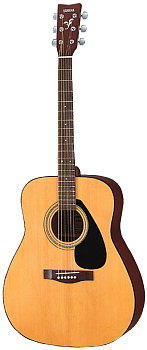
The undisputed king of entry-level acoustics, offering a full-sized dreadnought experience without the premium price tag.
I have seen hundreds of these over the years, and they remain the most consistent budget guitars on the planet.
Reasons to buy
- ✓Unbeatable build quality for the price
- ✓Balanced tone that works for almost any genre
- ✓Holds its tuning better than guitars twice the price
What will annoy you (The brutal truth)
- ✕The factory action is often set too high, requiring a setup
- ✕The laminate top lacks the 'opening up' quality of solid wood
- ✕It looks incredibly generic—zero points for style
Yamaha F400 Natural Satin
🏆 Best for Students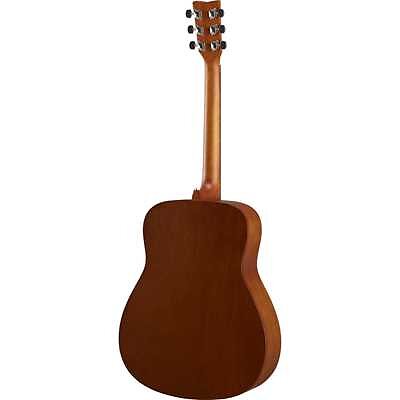
A refined take on the classic dreadnought with a satin finish that feels premium and allows the wood to breathe.
A slight step up from the F310, this is for the student who is actually sticking with it and wants something that feels less like a toy.
Reasons to buy
- ✓Satin finish feels much nicer under the arm than sticky gloss
- ✓Slightly more resonant than the cheaper F310
- ✓Comfortable body shape for long practice sessions
What will annoy you (The brutal truth)
- ✕The satin finish will develop shiny patches where your arm rubs by month six
- ✕Still uses plastic nut and saddle which limits sustain
- ✕The gig bag usually included is about as protective as a bin bag
Tiger Music 3/4 Classical Guitar
🏆 Best for Young Beginners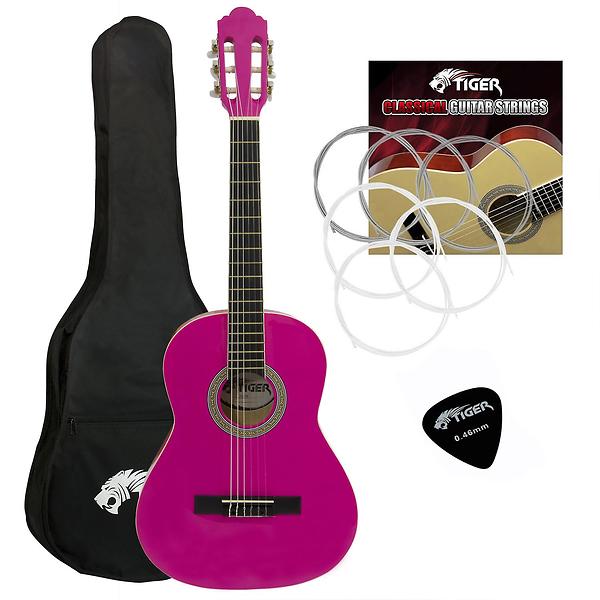
A nylon-stringed starter guitar designed to be easy on soft fingers and small enough for younger players.
If you are buying for a child, don't waste money on steel strings. This is the sensible starting point.
Reasons to buy
- ✓Nylon strings won't make a child's fingers bleed
- ✓Lightweight enough for a 7-year-old to handle
- ✓Comes as a full kit, so you don't need to buy extras
What will annoy you (The brutal truth)
- ✕Tuning stability is poor; expect to retune every 15 minutes
- ✕The finish is prone to chipping if bumped against a desk
- ✕The sound is very thin and lacks any real projection
Still not sure which one to buy?
Join the Smart Spenders community! Talk to real buyers, ask questions about specific models, and make sure you are getting the absolute best deal.
Ask the Community →How to avoid buying a glorified cricket bat
Buying an acoustic guitar in the UK is a minefield of humidity issues and poor quality control. Here is what you actually need to look for before parting with your cash.
Body Shape Matters
Dreadnoughts are the standard, but they are massive. If you have a smaller frame or live in a tiny flat, look at Parlour or 000 shapes. You'll sacrifice some bass, but you won't end up with shoulder ache after twenty minutes of practice.
The Laminate vs Solid Wood Debate
At the budget end, you're getting laminate. It's tougher and handles the damp British weather better, but it won't sound better with age. Solid tops sound superior but require a humidifier if you don't want them cracking when the heating goes on in October.
Action and Playability
The 'action' is the height of the strings from the fretboard. If it's too high, it's like trying to play a harp made of cheese wire. Most budget Yamahas and Fenders are decent, but always factor in £40 for a professional setup at your local shop.
Frequently Asked Questions
Should I start with nylon or steel strings?
Nylon is easier on the fingers but sounds mellow and 'classical'. Steel strings are harder to press down initially but give you that bright, pop/rock sound most people actually want.
Do I need an 'electro-acoustic'?
Only if you plan on plugging into an amplifier for gigs. If you're just playing in your bedroom, you're paying extra for a preamp and battery box you'll never use.
Transparency & Data: Prices and availability are updated regularly using data from PriceSpy and retailers.
We may earn a commission if you make a purchase, at no extra cost to you. Our rankings are based on user activity and data — not paid placements. Read our full methodology here.