
3D Printers
Last updated: June 13, 2026
Stop wasting your life watching a nozzle crawl across a bed at 40mm/s. It is June 2026, and if your 3D printer isn't finished with a Benchy before you've finished your morning tea, you're doing it wrong. We have tested the latest crop of machines to separate the genuine innovators from the plastic-clogged pretenders. Whether you are printing functional car parts or just more useless trinkets for the shelf, these are the only machines worth your British pounds.
How we rank these products
Our rankings combine real-time UK consumer interest data from PriceSpy with structured analysis of key specs like video quality, stabilization, battery life, and value for money. We continuously update rankings to reflect both market trends and product performance. We also highlight key trade-offs and use cases to help you choose what’s actually right for you.
What changed this month?
Updated for June 2026 to include the newly released Bambu Lab X2D, which sets a fresh benchmark for multi-material speed. We have also re-evaluated the Snapmaker U1 for its long-term modular reliability in a maturing market.
Bambu Lab A1 Mini Combo
🏆 Best for Small Desks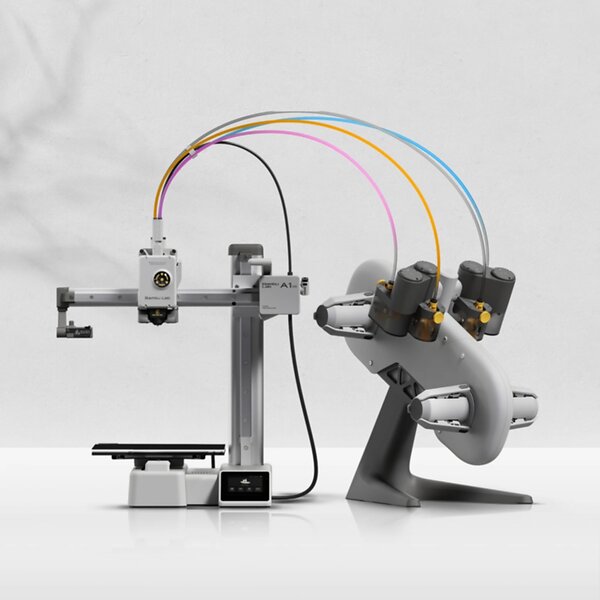
A pint-sized powerhouse that brings multi-colour printing to those with limited workspace.
If you are tight on space but want the 'it just works' experience, the A1 Mini is the only logical starting point.
Reasons to buy
- ✓Incredible print quality for the price point
- ✓AMS Lite makes multi-colour printing accessible
- ✓Active flow rate compensation actually works
What will annoy you (The brutal truth)
- ✕The 180mm build plate is tiny; you will be slicing models into pieces by month two
- ✕The cantilever design feels a bit wobbly when the speed is cranked up
- ✕Open frame means your cat will definitely try to 'help' with the print
FlashForge Adventurer 5M
🏆 Best Value All-Rounder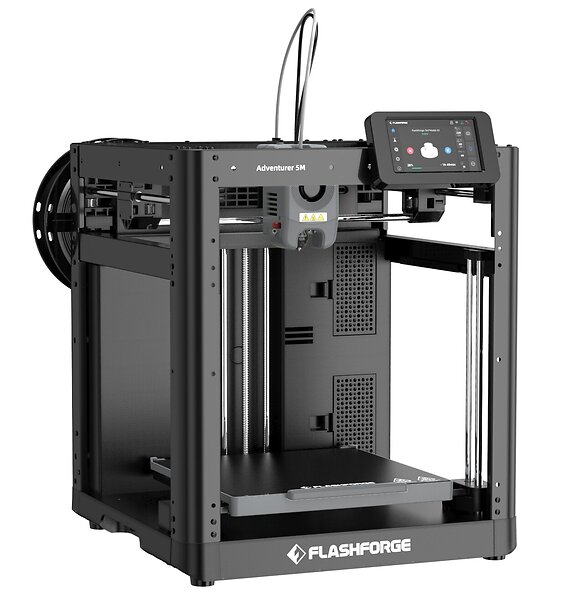
A rugged, enclosed workhorse that prioritises speed and ease of use without the premium price tag.
FlashForge has finally stopped messing about and delivered a machine that competes with the big boys on raw speed.
Reasons to buy
- ✓Blistering 600mm/s travel speed
- ✓Quick-release nozzles make maintenance less of a chore
- ✓Fully enclosed out of the box for better temperature control
What will annoy you (The brutal truth)
- ✕The software ecosystem is still a bit clunky compared to Bambu Studio
- ✕Proprietary nozzle system means you are stuck buying their spares
- ✕The internal camera quality looks like it was filmed on a potato
Bambu Lab X2D Combo
🏆 Best for Professionals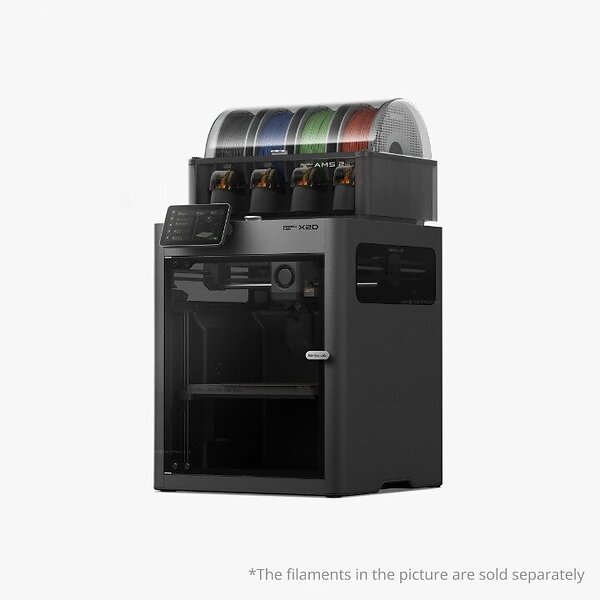
The 2026 flagship that refines the X1 formula with dual-extrusion capabilities and AI-driven failure detection.
The X2D is the machine for people who want to print, not tinker. It is expensive, but it is the current gold standard.
Reasons to buy
- ✓Dual-extrusion allows for soluble supports that actually work
- ✓AI monitoring is now smart enough to catch a 'spaghetti' mess before it wastes a whole spool
- ✓Whisper-quiet compared to the previous generation
What will annoy you (The brutal truth)
- ✕The price tag will make your accountant weep
- ✕It is a heavy beast; do not try to put this on a flimsy IKEA desk
- ✕The proprietary filament RFID system is a blatant attempt to lock you into their ecosystem
Bambu Lab X1 Carbon
🏆 Best for Engineering Materials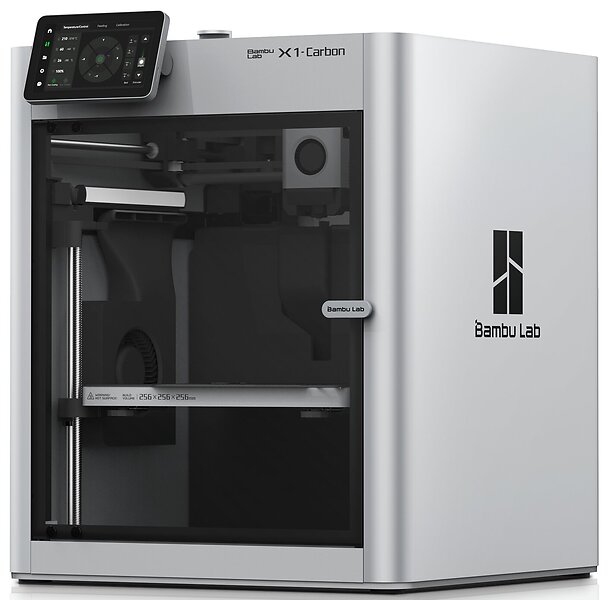
The veteran of the high-speed era, still the best choice for abrasive filaments like carbon fibre.
Even in 2026, the X1 Carbon remains the go-to for those printing functional parts in nylon or polycarbonate.
Reasons to buy
- ✓Hardened internals handle abrasive filaments without breaking a sweat
- ✓Lidar bed levelling is still the most reliable in the business
- ✓Massive community support and third-party mods
What will annoy you (The brutal truth)
- ✕The cooling fans sound like a jet engine taking off in your spare room
- ✕The touchscreen interface is starting to feel a bit sluggish by 2026 standards
- ✕Wasteful 'poop' generation during multi-colour prints is still an environmental disaster
Snapmaker U1
🏆 Best for Makerspaces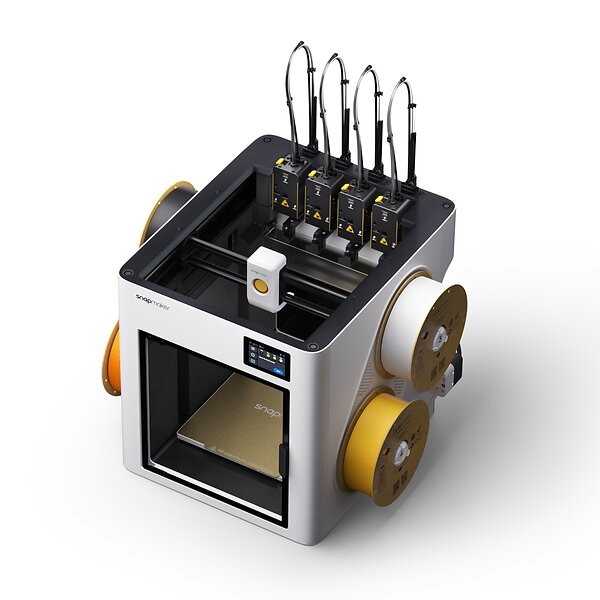
A modular behemoth that combines 3D printing, laser engraving, and CNC carving into one frame.
If you want a full workshop but live in a one-bedroom flat, the Snapmaker U1 is the only sensible compromise.
Reasons to buy
- ✓Industrial-grade linear rails provide exceptional precision
- ✓Swapping modules is faster than previous versions
- ✓Massive build volume for large-scale projects
What will annoy you (The brutal truth)
- ✕Jack of all trades, master of none; a dedicated printer will still beat it for speed
- ✕The CNC function creates a mess that you will be vacuuming out of the carpet for weeks
- ✕The sheer size of the unit requires its own dedicated postcode
Still not sure which one to buy?
Join the Smart Spenders community! Talk to real buyers, ask questions about specific models, and make sure you are getting the absolute best deal.
Ask the Community →How to Choose a 3D Printer Without Losing Your Sanity
Buying a 3D printer used to be a rite of passage involving burnt fingers and endless bed levelling. Thankfully, the industry has grown up. Here is what actually matters in 2026.
Enclosed vs Open Frame
If you plan on printing anything tougher than basic PLA—think ABS or Nylon—an enclosure is non-negotiable. It keeps the heat in and the drafts out. Open frames are fine for the hobbyist printing in a warm room, but they are a nightmare for warping on larger prints.
The Multi-Colour Trap
Multi-colour printing looks brilliant in adverts, but remember the 'poop'. Most systems waste a significant amount of filament purging the nozzle between colours. If you are doing it for business, calculate that waste into your margins. If you are doing it for fun, prepare to buy filament in bulk.
Speed vs Acceleration
Don't be fooled by 'Max Speed' marketing. Acceleration (measured in mm/s²) is what actually determines how fast a print finishes. A printer that can hit 500mm/s but takes half the bed to get there is useless for small, intricate parts.
Frequently Asked Questions
Is 3D printing safe to do in a flat?
Generally yes, but ventilation is key. Printing PLA is mostly fine, but materials like ABS release VOCs that smell like a burning tyre factory. Always use a HEPA filter or print near an open window.
Do I need to be a CAD expert?
Not anymore. With sites like Printables and MakerWorld, you can find almost anything pre-designed. However, learning basic tools like Fusion 360 will stop your printer from becoming an expensive paperweight once the novelty of printing 'The Rock' with an octopus body wears off.
Why is my filament snapping?
Because it is wet. UK humidity is the enemy of 3D printing. Invest in a dry box or use your oven on a very low setting to bake the moisture out of your spools, or prepare for a world of brittle plastic and failed prints.
Transparency & Data: Prices and availability are updated regularly using data from PriceSpy and retailers.
We may earn a commission if you make a purchase, at no extra cost to you. Our rankings are based on user activity and data — not paid placements. Read our full methodology here.